Welcome to INTERACT – International Network for Terrestrial Research and Monitoring in the Arctic
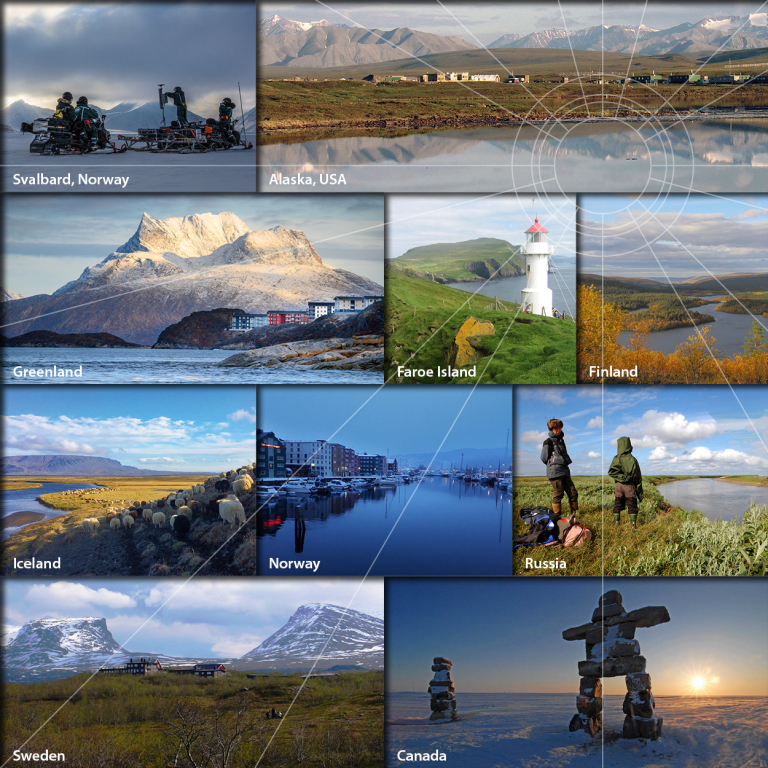
INTERACT is an infrastructure project under the auspices of SCANNET, an arctic network of 74 terrestrial field bases (with an additional 21 research stations in Russia on pause) in northern Europe, US, Canada, Greenland, Iceland, the Faroe Islands and Scotland as well as stations in northern alpine areas. INTERACT specifically seeks to build capacity for research and monitoring all over the Arctic, and is offering access to numerous research stations through the Transnational Access Program.
The project, which is funded by the EU, has a main objective to build capacity for identifying, understanding, predicting and responding to diverse environmental changes throughout the wide environmental and land-use envelopes of the Arctic. This is necessary because the Arctic is so vast and so sparsely populated that environmental observing capacity is limited compared to most other latitudes.
INTERACT is multidisciplinary: together, the stations in INTERACT host thousands of scientists from around the world who work on projects within the fields of glaciology, permafrost, climate, ecology, biodiversity and biogeochemical cycling. The INTERACT stations also host and facilitate many international single-discipline networks and aid training by hosting summer schools.
Access to the Arctic, and northern alpine and forest areas
INTERACT station managers and researchers have established partnerships that are developing more efficient networks of sensors to measure changing environmental conditions and the partnerships are also making data storage and accessibility more efficient through a single portal. New communities of researchers are being offered access to terrestrial infrastructures while local stakeholders as well as major international organisations are involved in interactions with the infrastructures.
The trans-national access component is crucial to building capacity for research in the European Arctic and beyond. INTERACT is offering transnational access to 43 research stations located in the Arctic, and northern alpine and forest areas in the Europe, Russia and North-America. It is providing opportunities to researchers to work in the field in often harsh and remote locations that are generally difficult to access. In return, the input of new researchers has led to cross fertilisation, comparative measurements at different locations and new research directions at the individual infrastructures.
Join the network
If you wish to join the network as Observer Station INTERACT encourage you to apply to join. There are currently 39 observer stations and they are important parts of the network and new ones are welcome to apply to join INTERACT’s activities, meetings and workshops. You join by sending a request to the INTERACT coordinator.
> STATIONS OF THE MONTH
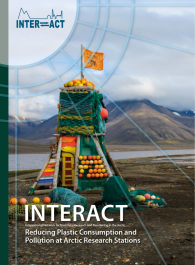
The aim of the guidebook is to: Increase awareness of the impacts of plastic use on climate and the natural Provide guidelines for how to ...
> Download

This is the INTERACT Management Planning for arctic and northern alpine research stations in e-book version (the pdf version can be found further down on ...
> Download
 Website Login